
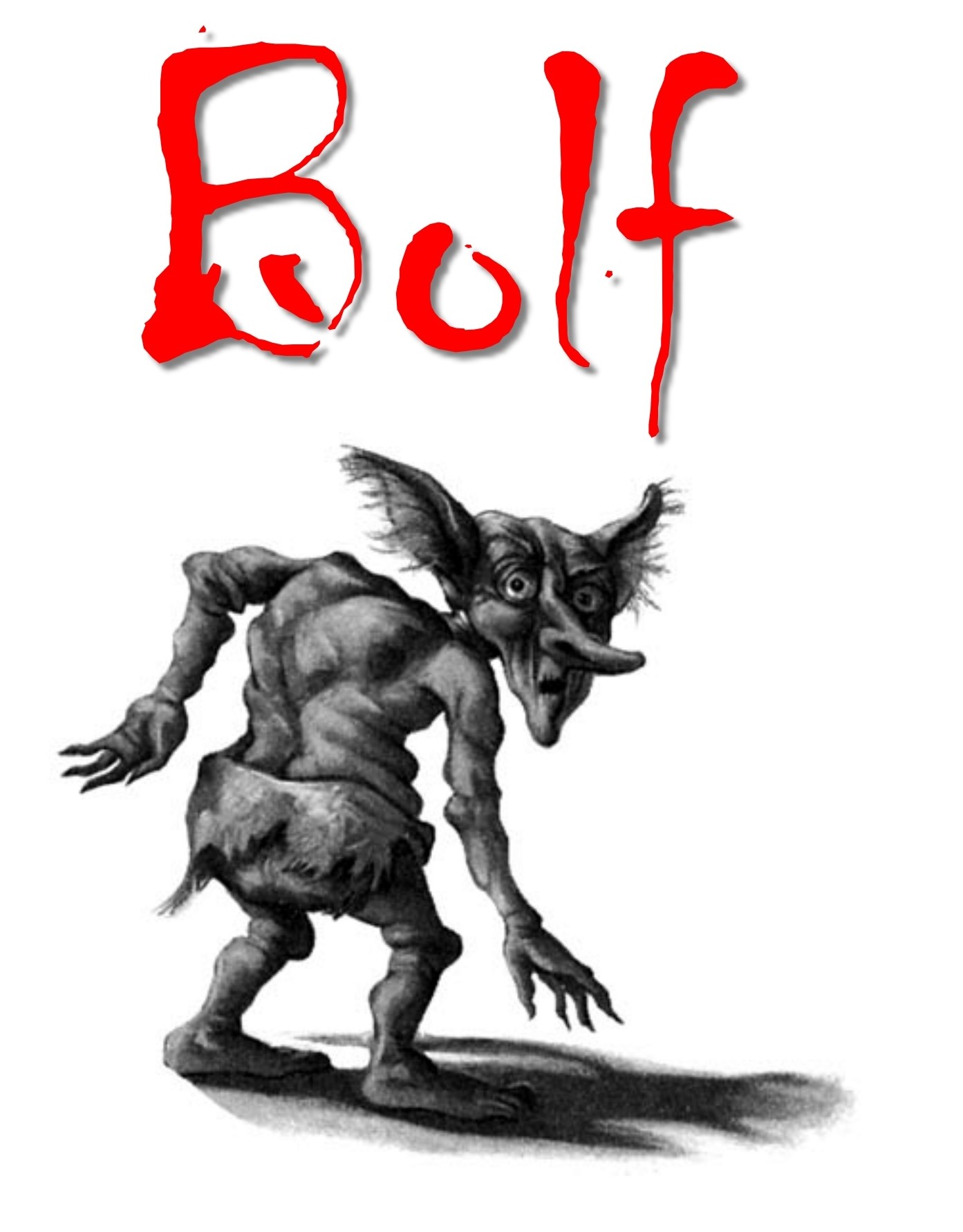
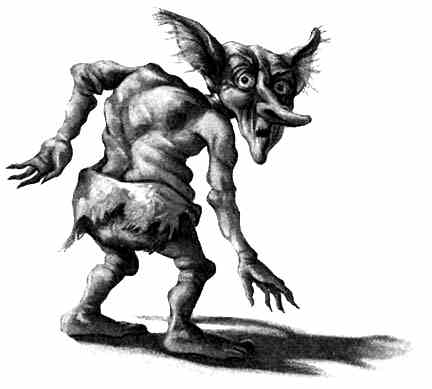
Troll Bolf lay heavy upon his stone slab bed, a slab he had hewn from the mountainside himself in a single afternoon. Now, the effort to simply roll over made his cavernous chest ache and his rocky limbs feel as brittle as dried twigs. His strength, once the pride of the Whispering Peaks, was a grim, forgotten tale. A dreadful misfortune had shadowed his cave, and the great, simple troll was utterly baffled.
He wasn’t wounded. No knight had been foolish enough to challenge him in a decade. He hadn’t wrestled a rockslide or angered a river spirit. Yet, a weakness he’d never known had seeped into his very bones. The healer-moss he chewed on tasted like dust, and the cool cavern air felt thick and suffocating.
A colossal sneeze, a true earth-shaker, ripped through him. It sent pebbles skittering across the floor and disturbed the ancient dust motes dancing in the single shaft of light from his cave’s entrance. With a shuddering gasp, Bolf grabbed a burdock leaf the size of a shield and blew his nose. The sound was like a mournful foghorn. He wiped his tired, bloodshot eyes with the back of a hand that could once pulverize granite, a hand that now trembled with a quiet, sad clasp.
The diagnosis, whispered by a wise old badger who dabbled in forest ailments, was as perplexing as it was dire. Bird flu.
Bird flu! Bolf had grumbled, his voice a low rumble. Bolf has no wings. Bolf does not soar. Bolf keeps his feet on the good, solid ground.
But the badger had just twitched his whiskers knowingly and scurried away, leaving Bolf to his misery and the looming mystery. How could it be?
In the feverish haze, as shadows of sickness flickered and danced on the damp stone walls, his thoughts drifted back. Back a week, to the great storm that had lashed the mountains. He had been checking his snares when he heard it—a pathetic, high-pitched peeping from the base of a giant pine. There, half-drowned and trembling in a puddle, was a tiny fledgling, a scrap of brown feather and fear, fallen from its nest.
Ordinarily, Bolf might have ignored it. Trolls were not known for their tenderness. But something in the creature’s desperate fight for life stirred a forgotten softness in his stony heart. With a gentleness that defied his immense size, he had scooped the little bird into his palm. It was so light, it felt like nothing at all. He had taken it back to his cave, tucking it into an old, moss-lined helmet near the warmth of his fire pit.
For three days, he had been its clumsy, devoted guardian. He mashed wild berries with his thumb for it to eat and let it sip water from the cup of his hand. He remembered the little bird shivering, letting out tiny, wet sneezes that misted his calloused skin. He had watched, filled with a strange, gruff pride, as its strength returned. One morning, it had hopped onto his finger, chirped a song that was surprisingly loud for its size, and then, with a brave flutter, had flown out of the cave and into the morning sun.
Bolf’s foggy mind cleared for a moment with a jolt of horrid understanding. The fledgling. The sneezes. The sickness hadn’t come from the sky; it had come from an act of kindness.
A wave of despair washed over him, colder than any mountain stream. His good deed had brought this peril upon him. As his hopes flickered dim, he felt a tear, hot and gritty, trace a path through the grime on his cheek. He refused to yield, but the fight felt impossibly lonely.
Just then, a faint sound reached his ears. Chirp-chirp-tweet!
A tiny shadow darted through the sunbeam at the cave’s entrance. It was the fledgling, no longer a shivering scrap but a confident young robin. It landed without fear on the edge of Bolf’s stone bed. In its beak, it held a single, deep purple elderberry, glistening and perfect.
The bird hopped closer, nudging the berry against Bolf’s rough chin. It looked at him with its bright, black eyes, a look of pure, uncomplicated trust. It was a gift. A thank you. A reminder of the life he had saved.
In that small gesture, something shifted inside the mighty troll. The courage and love that had prompted him to save the bird were now being returned to him. He was not alone in his fight. Though peril threatened, the spirit of that small act of kindness refused to be concealed.
With a monumental effort, Bolf pushed himself up on one elbow. He opened his mouth, and the robin gently dropped the berry inside. It was just one berry, not nearly enough to cure him, but it tasted of hope. It was a promise.
So heal, brave Troll Bolf. Rise from despair. Watched over by his tiny, winged friend, he would drink the water and chew the moss, letting health and joy chase away the dark glare. For he had learned a profound truth in his sickness: even for a great troll of stone and earth, the spirit may soar, and brighter tomorrows, filled with the most unlikely of friendships, were waiting to restore.
The single berry was a spark in the vast, cold emptiness of his sickness. It was not a cure, but it was a reason. The robin, having delivered its precious cargo, fluffed its chest feathers and let out a trill of encouraging chirps before darting back out of the cave. Bolf watched it go, a tiny brown dart against the brilliant blue sky. He lay back on the slab, the singular sweetness of the elderberry still on his tongue, a taste so profoundly different from the dusty moss and stale air that had been his world.
A new thought, slow and heavy as a glacier, began to move through his mind. Kindness brought the sickness. Kindness can bring the cure.
The little robin, who Bolf decided to call Pip, seemed to have the very same thought. Pip did not abandon his giant friend. He became a tiny, feathered general marshalling an army of the woods. The story of the sick troll and the grateful bird spread on the forest wind, whispered from branch to branch, chittered from den to den. At first, the other creatures were hesitant. Bolf was a force of nature, a landmark to be avoided. His sickness was his own affair.
But Pip was persistent. He chirped the story to the squirrels, who remembered Bolf once dislodging a whole branch of ripe acorns for them during a lean autumn, an act they’d mistaken for clumsy destruction. He sang it to the deer, who recalled the troll diverting a rockslide that would have destroyed their favourite grazing meadow. He even found the wise old badger again, not to scold him, but to show him the single elderberry stalk, a symbol of a debt being repaid.
The badger, shamed by the tiny bird’s courage, was the first to act. He knew of a hidden grove on the sun-drenched southern slope where elderberries grew thick and heavy. He organised the squirrels, their nimble paws perfect for harvesting. Soon, a procession began. A constant stream of small creatures, brave in their shared purpose, scurried to the mouth of Bolf’s cave. They brought elderberries, dropping them one by one into the same moss-lined helmet that had once cradled Pip. They brought tangy sorrel leaves to soothe his throat and fat, juicy grubs, which Bolf politely declined but appreciated the gesture.
Bolf watched the proceedings in a feverish daze. A family of field mice dragged a single, glistening drop of morning dew on a broad leaf, a minuscule offering that required their entire family’s strength. He saw them, and something inside his rocky chest, something harder than bone, began to soften. He had lived his long life in solitude, priding himself on his independence. He had seen the forest animals as incidental, background noise to his immense existence. Now, they were his lifeline.
Pip was his constant companion, perching on the craggy landscape of Bolf’s brow, cleaning his beak on a stony earlobe. He would chirp updates from the forest and peck gently at Bolf’s lips to remind him to drink from the pool of water gathering in a hollow of his stone bed, a pool slowly being filled by the leaf-cup brigade.
With each berry consumed, with each sip of water, Bolf felt the fever loosen its grip. The aches in his cavernous chest became less pronounced. The weakness in his limbs was replaced by a slow, returning tide of power. One morning, he sat up without the world spinning. He took a deep breath, and for the first time in weeks, the air tasted clean and sweet.
He looked at the helmet, now overflowing with berries, roots, and leaves—a tribute from a world he had never truly known. He looked at Pip, who was preening on his shoulder, a loyal speck of life.
His strength returned, but it was different now. It was not the lonely, brute force of a mountain but the deep, rooted strength of a forest, interconnected and alive. When he finally stood and walked to the mouth of his cave, the sunlight no longer felt like an intrusion but a welcome. The forest did not fall silent as he emerged. Instead, a chorus of chirps, chitters, and rustles seemed to greet him, a quiet acknowledgement of their shared victory.
Bolf, the great troll of the Whispering Peaks, was no longer just a fearsome resident. He was a neighbour. And he had learned that true strength wasn’t just in hewing stone from a mountainside; it was in the gentle scoop of a hand, the offering of a single berry, and the quiet, unshakeable loyalty of the very smallest of friends.




 The Crazymad Writer Writes Again